Ideal Storage Temperature for Vegetables in Cold Storage
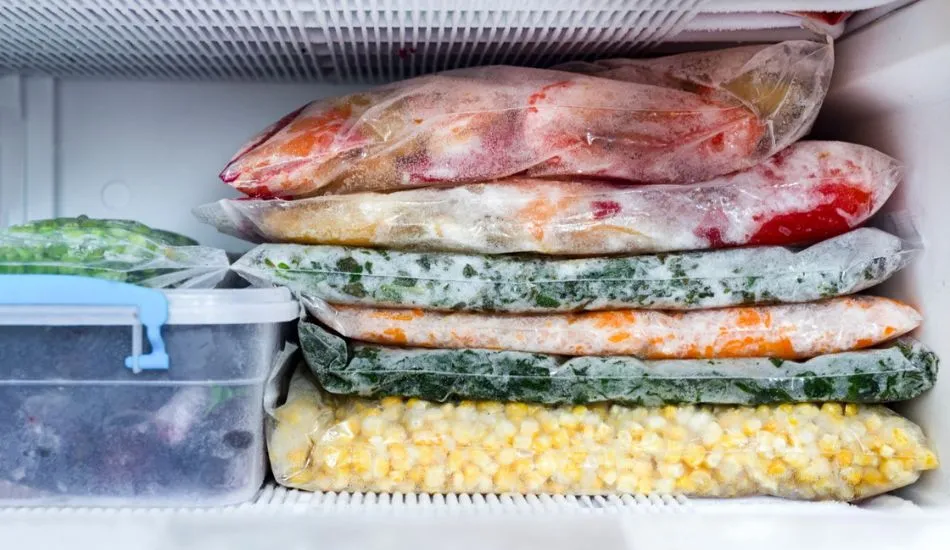
Vegetables are "living" commodities that continue to respire even after they're harvested. Without proper handling, vegetables quickly lose water and nutrients, leading to spoilage, which is detrimental to business.
The main key to maintaining freshness lies in one thing, namely precise temperature and humidity control.
Understanding the right temperature isn't just about preserving vegetables for longer, but also about preserving their nutritional value and texture, ensuring they remain edible. Let's examine the temperature requirements for different types of vegetables.
Read Also:The Purpose of Food Freezing and Its Types, Understand Here!
What is the Ideal Storage Temperature for Vegetables?
Temperature does play an important role in slow down the decay process and vegetable degradation. However, not all vegetables can be "beaten evenly" at one temperature setting.
Incorrect storage temperature often causeschilling injury(damage due to excessive cold) or actually accelerate the growth of mold. Here are some appropriate temperatures for vegetables:
1. General Temperatures for Vegetables
Broadly speaking, vegetable storage temperatures are divided into two main zones to avoid cell damage:
Optimal Cool Zone (0°C to 2°C)This is the gold standard temperature for most vegetables that wilt quickly. This temperature suppresses respiration to a minimum without freezing the water content in the vegetables.Types of vegetables:Spinach, kale, lettuce, mustard greens, broccoli, cauliflower, carrots, celery, and spring onions.
Temperature Zone (7°C to 10°C): Some vegetables are sensitive to extreme cold (chilling injury). If stored too cold, these vegetables will turn brown or become mushy.Types of vegetables:Ripe chilies, cucumbers, eggplants, green beans, long beans, and tomatoes.
Read Also: Know the Danger Zone Temperatures for Food, Record Them!
2. Chiller Temperature for Vegetables
Inside the facilitycold storage or chillerFor commercial use, temperature settings should be maintained at a stable level with a maximum fluctuation of only 1°C. The following are specific temperature guidelines based on product category:
Leafy Vegetables & Cruciferous Vegetables (0°C - 1°C):Requires high humidity ($95\%$) to keep the leaves crisp and prevent yellowing.
Root Vegetables (0°C - 2°C):Like carrots and radishes, they can last longer at this temperature, but make sure the leaves are trimmed to prevent nutrient loss from the root.
Tropical Fruit Vegetables (7°C - 10°C):Peppers and cucumbers are prime examples. Storing them below 5°C will damage the skin and flavor.
Onions & Potatoes (4°C - 8°C):Requires slightly higher temperatures and drier conditions (low humidity) than green vegetables to prevent them from sprouting or rotting quickly.
Vegetable Temperature Quality Is Guaranteed at MGM Bosco
Maintain the quality and freshness of your vegetables with the right cold storage solution! We can help you manage the temperature of large-scale vegetable products. Find the location of our warehouses today!
View MGM Bosco's Cold Storage Warehouse Locations →Tips for Storing Vegetables So They Last Longer
In addition to the temperature setting in your refrigerator, how you arrange and prepare vegetables before storing them also significantly impacts their shelf life. Follow these three professional tips to maximize the shelf life of your vegetables:
1. Maintain Vegetable Moisture
Vegetables require a relative humidity (RH) of around 80% to 95%. If the air inside the refrigerator is too dry, the vegetables will wilt due to water evaporation.
You can use a closed container or wrap the vegetables in damp paper before putting them in.chillerto maintain its natural hydration.
Read Also: What Are Perishable Food Ingredients? Here's the Definition & Examples
2. Avoid Cutting Vegetables
We often try to be practical by cutting vegetables before storing them. However, cutting vegetables damages the cell walls and exposes the inside of the vegetables to air (oxidation).
This not only accelerates spoilage but also significantly reduces vitamins. Store vegetables whole and wash them only when ready to use.
3. Create Air Circulation in the Storage
Don't stack vegetables too tightly in the refrigerator. Cold air should be able to circulate evenly between the produce.
Without good air circulation, "hot spots" will appear (hot spots) in the middle of the pile which triggers excess moisture and the growth of putrefactive bacteria.
Read Also: Sending Frozen Food Out of Town is Easier with MGM Bosco
MGM Bosco Logistics: The Latest Logistics Solutions
In maintaining the storage temperature of vegetables, working with a reliable logistics company is very important.
MGM Bosco Logistics as a pioneer in refrigerated logistics services, offering unmatched solutions. With state-of-the-art technology and extensive experience, MGM Bosco Logistics ensures that every stage of the vegetable supply chain is well-maintained.
Additionally, MGM Bosco Logistics offers flexibility in storing various types of vegetables.
With specially designed storage rooms, we can adjust the temperature and humidity to suit the specific needs of each vegetable. Our reliable service is our hallmark, ensuring your products arrive in peak condition.
With its vision and cutting-edge technology, MGM Bosco Logistics is the ideal partner in ensuring the security of your vegetable supply chain. With a commitment to sustainability,MGM Bosco Logistics is a wise choice in meeting your vegetable storage logistics needs.