What Is the First Mile? Here's Its Definition and Characteristics
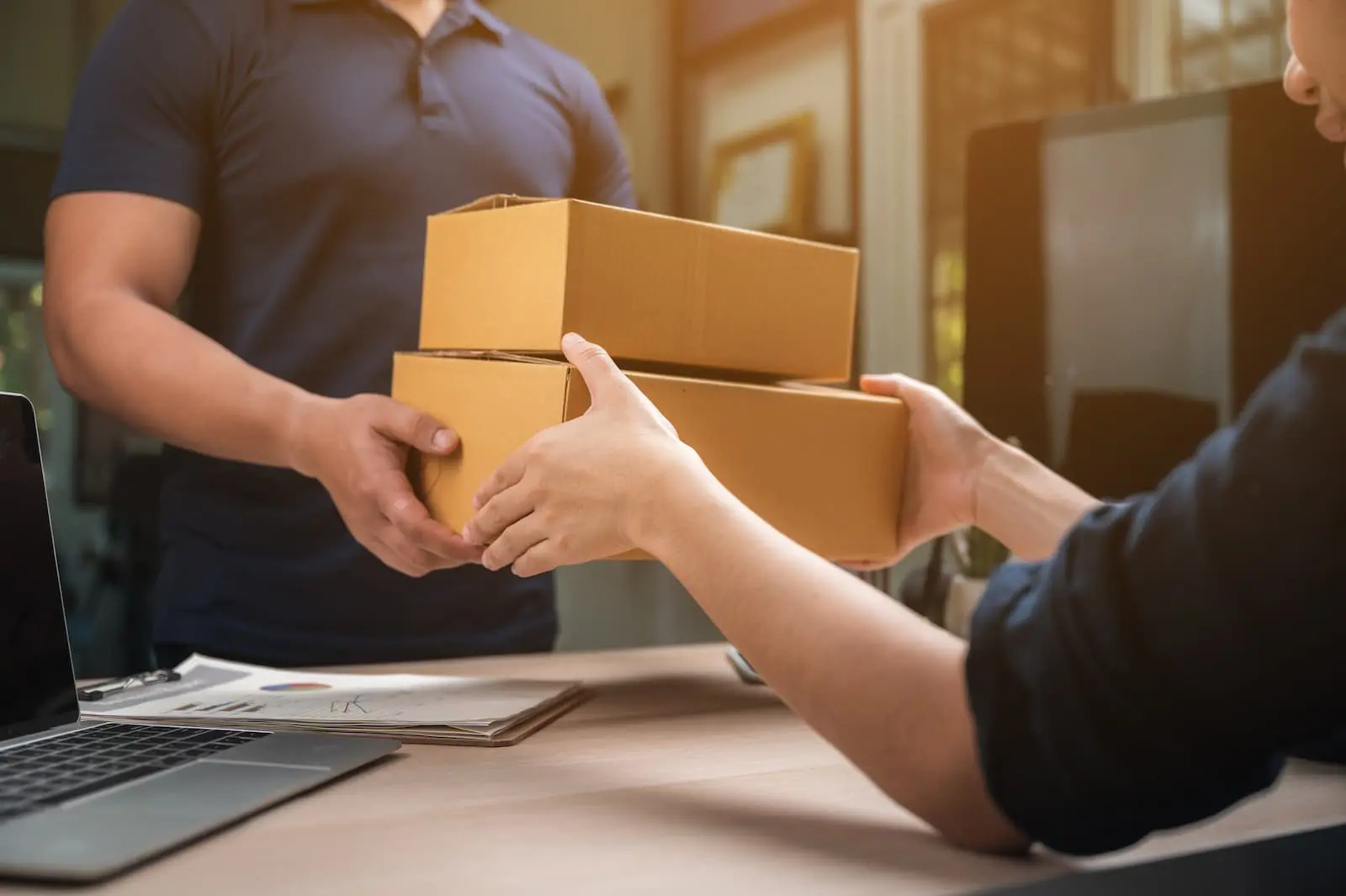
First mile is the initial stage of the delivery process, where goods are collected from manufacturers or suppliers and transported to a warehouse or distribution center.
Although it may seem simple, this stage plays an important role in determining the overall speed and cost efficiency of logistics operations.
Behind the convenience of shopping online or in physical stores lies a long supply chain process that consists of three main stages: first mile, middle mile, and last mile.
Each stage has its own function and challenges in the distribution of goods. Let's take a closer look at the definition of first mile, its characteristics, and how it differs from middle mile and last mile.
What Is First Mile?
First mile is the initial stage in the supply chain system, where goods are picked up from manufacturers or suppliers and delivered to warehouses, distribution centers, or retail stores.
This stage generally involves scheduled transportation in large volumes, and the form of shipment may vary depending on the industry.
In the retail sector, first mile refers to deliveries from suppliers' warehouses to retail stores or distribution centers.
Meanwhile, in e-commerce, this process includes deliveries from retailers to shipping couriers who will deliver the goods to end consumers.
In the agricultural industry, first mile shipments take place from farmers to wholesale markets. For imported products, temporary storage facilities may be customs areas at ports or airports.
First mile is an important stage because cost efficiency and on-time performance at this phase greatly affect the smooth flow of distribution in the subsequent stages.
Why Is First Mile Important?
First mile is important because it is the initial stage of the supply chain. Any errors or disruptions at this stage can affect product availability, operational efficiency, product quality, shipment visibility, and overall supply chain planning and management.
Read also: 4 Benefits of Refrigerated Box Trucks for Product Distribution
The Difference Between First Mile, Middle Mile, and Last Mile
First mile is the initial stage of the logistics process, where goods are transported from manufacturers to warehouses or distribution centers.
At this stage, efficiency is essential because it directly impacts logistics costs and delivery timeliness.
A first mile hub is the initial collection point for goods that serves as the foundation for the next stages of the supply chain. Once the goods are collected at the warehouse, the process continues to the middle mile.
This stage covers the distribution of goods from the main warehouse to smaller distribution centers or directly to retail stores. Middle mile refers to large-scale logistics movement between storage locations.
In general, middle mile serves as an important link between storage and final delivery, requiring high levels of coordination and accuracy.
Finally, last mile delivery is the final stage in the logistics chain, where goods are delivered from distribution centers or stores to end consumers.
At this stage, delivery speed and accuracy are critical because they directly affect customer satisfaction. Each stage has its own challenges.
First mile often faces challenges in collecting goods from multiple production locations. Middle mile requires accurate inventory management and precise distribution to multiple destinations.
Meanwhile, last mile is challenged by factors such as traffic congestion, short routes with multiple delivery points, and high customer expectations for fast delivery.
The Role of Logistics Providers in First Mile and Middle Mile Delivery
In the distribution process, logistics providers play a vital role, particularly during the first mile and middle mile stages. First mile is the initial delivery stage, where goods are collected directly from manufacturers or sellers and transported to warehouses or distribution centers.
At this stage, logistics providers are responsible for ensuring that goods are collected on time and in good condition so that the subsequent supply chain process is not disrupted.
Meanwhile, during the middle mile stage, logistics providers manage the movement of goods from collection points to smaller warehouse networks or regional distribution centers.
At this stage, extensive service coverage becomes extremely important, especially for intercity, inter-island, or cross-island deliveries.
Support from real-time tracking systems and user-friendly applications allows customers to monitor the location and temperature of their goods throughout the delivery process, ensuring reliability and transparency.
MGM Bosco Logistics understands the importance of these two stages in maintaining distribution efficiency. With more than 20 years of experience in the cold chain logistics industry, MGM Bosco provides reliable, fast, and integrated first mile and middle mile delivery solutions.
Supported by more than 1,000 refrigerated trucks equipped with Thermo-Loggers and GPS, our services cover all regions across Indonesia, from local deliveries to inter-island transportation.
Our tracking system provides full real-time visibility into the location and temperature of your products, maintaining product quality from the beginning to the end of the delivery process.
MGM Bosco also operates large-scale warehouse facilities in strategic locations such as Bekasi, Sidoarjo, Makassar, and Palembang, along with a network of partner warehouses to expand nationwide distribution.
As an end-to-end logistics service provider, MGM Bosco not only handles warehousing and transportation but also offers additional services such as sorting, repacking, blasting, and cross-docking to support your entire supply chain.
For efficient and reliable first mile and middle mile delivery management, trust MGM Bosco Logistics. Contact us to find the right logistics solution for your business needs.
Read also: Air Blast Freezer vs. Cold Storage: Understanding the Difference and Why It Matters