Why Quality Management Is the Foundation of Reliable Cold Chain Logistics
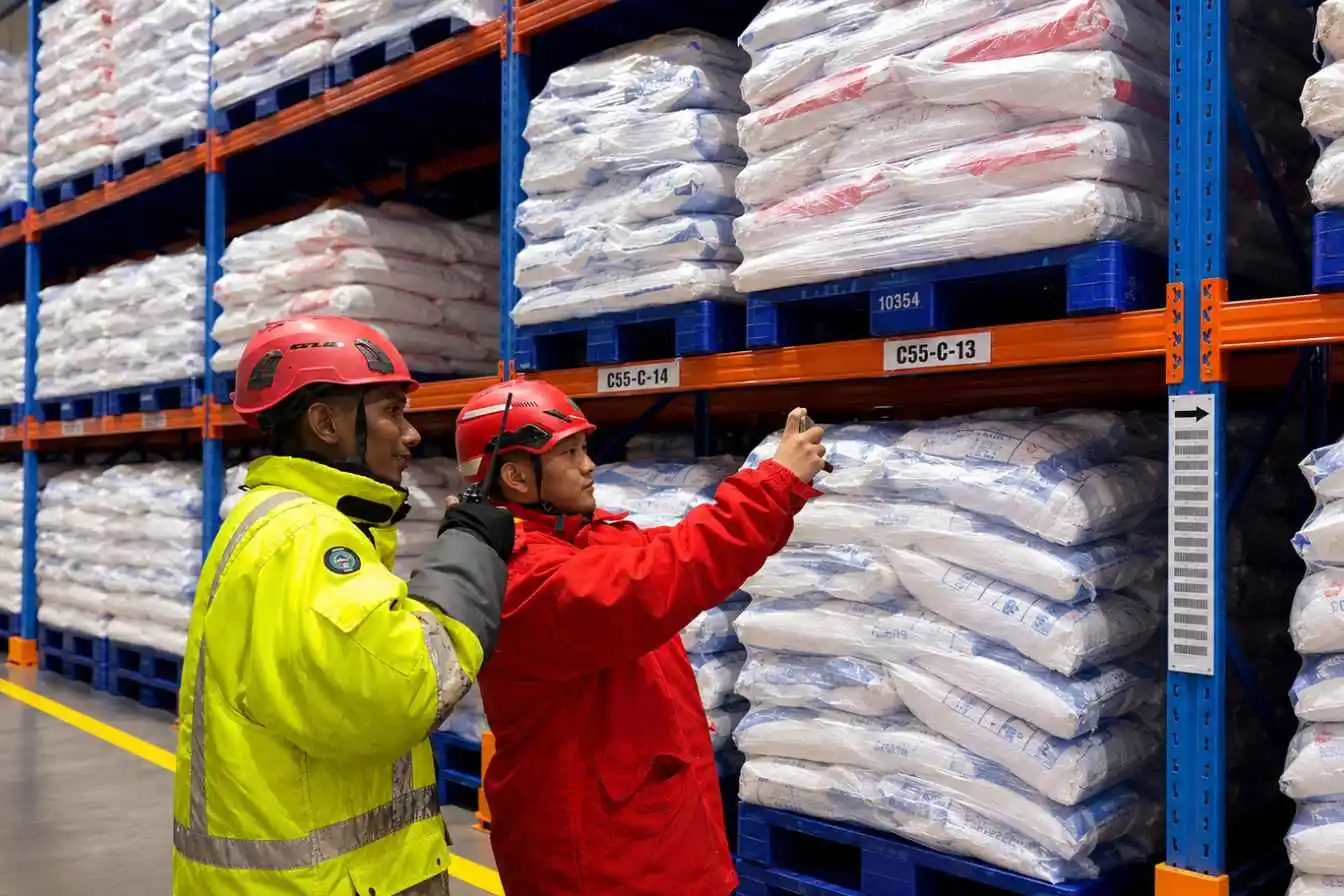
Cold chain logistics has different characteristics from general logistics. Products such as vaccines, pharmaceuticals, frozen foods, fresh produce, and temperature-sensitive raw materials require consistent temperature control from storage through distribution. Even a slight temperature deviation or handling error can affect product quality, shorten shelf life, and increase the risk of regulatory non-compliance.
Therefore, the success of cold chain operations depends not only on storage facilities or refrigerated fleets but also on a quality management system that ensures every process is carried out consistently.
Why Is a Quality Management System (QMS) Important?
In cold chain operations, quality cannot be maintained solely through individual experience or undocumented procedures. A system is needed to ensure that every activity is performed according to established standards, can be monitored, and is continuously improved.
This is where a Quality Management System (QMS) plays an important role. A QMS provides a framework that helps companies maintain operational consistency while minimizing risks throughout the distribution chain.
Implementing a QMS provides several key benefits, including:
Standardizing critical control points, such as vehicle pre-cooling inspections, loading dock dwell times, and temperature logging frequency.
Providing documentation and traceability that make it easier to track the history of every shipment when required by customers or regulators.
Ensuring that every deviation is analyzed through a corrective action process so that improvements are based on root causes rather than temporary solutions.
Maintaining consistent service quality through documented processes, ensuring that operations do not depend on specific individuals.
Through this approach, operational quality becomes more measurable, consistent, and capable of meeting customer and regulatory requirements.
The Importance of Third-Party Validation
In addition to having internal procedures, many companies also choose to implement international standards that are verified by independent certification bodies. Certification provides assurance that the management system has been evaluated against globally recognized standards.
One of the most widely adopted standards is ISO 9001:2015, which focuses on quality management systems through process control, continual improvement, and customer satisfaction.
For companies serving industries with stringent quality requirements, such as healthcare, pharmaceuticals, and food & beverage, certification has become an important indicator during the vendor evaluation process. Many procurement and compliance teams include certification scope as part of their due diligence before establishing a business partnership.
Implementation in Cold Chain Operations
The effectiveness of a quality management system is determined not only by the existence of certification but also by how consistently the standards are implemented in daily operations.
For example, PT Mulia Bosco Logistics (MGM Bosco) implements a QMS across both its warehousing and transportation operations. This implementation is supported by ISO 9001:2015 certification issued by BSI Group, with a certification scope covering both warehouse facilities and the transportation fleet.
This approach reflects the importance of maintaining consistent quality standards throughout the entire distribution chain. This is particularly relevant because product quality risks exist not only within storage facilities but also throughout the transportation process.