Understanding the Drug Distribution Flow that Complies with BPOM Standards
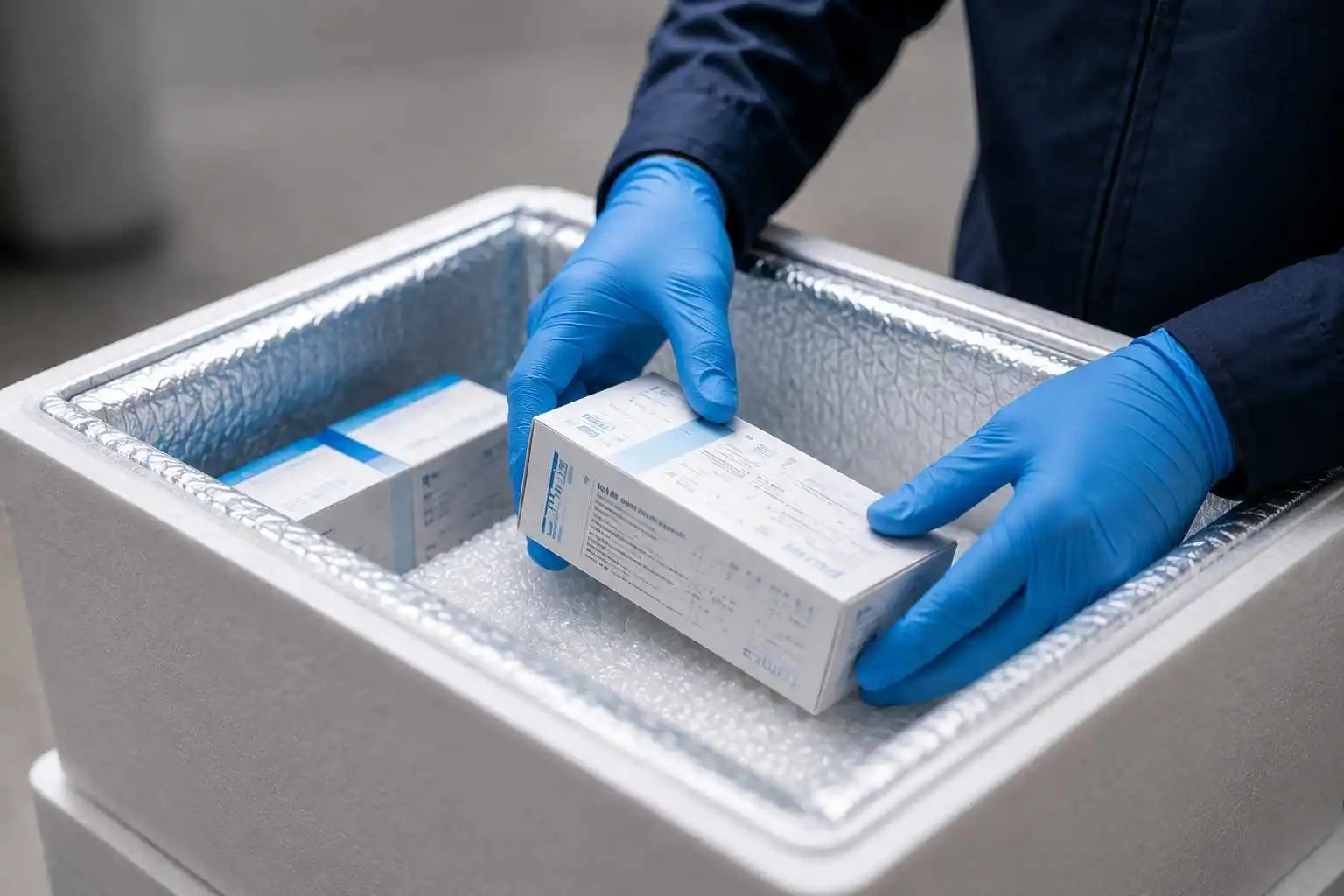
The drug distribution process is not merely the act of transporting products from one place to another. In the pharmaceutical industry, every stage of distribution must be carried out in accordance with established standards to ensure the quality, safety, and effectiveness of medicines are maintained until they reach healthcare facilities or consumers.
Errors in the drug distribution process can generally affect the quality of medicines, particularly those related to storage temperature and transportation. Therefore, the government, through the Food and Drug Authority (BPOM), has established specific regulations regarding Good Drug Distribution Practices (CDOB) to ensure pharmaceutical products remain safe throughout the distribution process. Read the complete information below.
Regulations on Drug Distribution in Indonesia
In Indonesia, proper drug distribution must comply with the regulations issued by the Food and Drug Authority (BPOM) as stipulated in BPOM Regulation No. 20 of 2025 concerning the Guidelines for Good Drug Distribution Practices (CDOB).
These regulations serve as the reference for all parties involved in drug distribution, including distributors, pharmaceutical wholesalers (PBF), and logistics providers handling pharmaceutical product transportation.
In general, CDOB aims to ensure that the quality of medicines is maintained throughout the distribution process. This means that medicines must be stored, handled, and transported using appropriate procedures to prevent physical damage or deterioration in quality.
The guidelines include several important aspects that must be observed, such as:
Goods receiving system.
Storage in accordance with requirements.
Temperature control.
Separation of specific products.
Packaging process.
Distribution transportation system.
In addition, distribution companies are required to have clear operational procedures, complete documentation, and a monitoring system to ensure all processes are carried out in accordance with the established standards.
Read also: Supply Chain Management: Objectives, Benefits, and Stages
Proper Drug Distribution Process
Based on the CDOB guidelines, the drug distribution process must be carried out systematically to maintain product safety and quality throughout distribution. The following are the commonly applied stages of drug distribution.
1. Receiving
The first stage is receiving medicines from manufacturers or authorized suppliers. During this process, the condition of the packaging, quantity, batch number, expiration date, and other supporting documents are inspected.
This inspection is important to ensure that the received medicines meet the required specifications and have not been damaged during the previous transportation process.
2. Storage
After being received, medicines must be stored according to their product characteristics. Some medicines require specific temperature conditions to maintain their stability, such as pharmaceutical products requiring cold storage.
The storage area must also be clean, secure, have proper air circulation, and be equipped with a temperature monitoring system where required.
MGM Bosco Provides Specialized Pharmaceutical Cold Storage Systems
To preserve the quality of temperature-sensitive pharmaceutical distribution, MGM Bosco offers cold storage services with customizable temperatures tailored to specific medicine requirements. Check our services today!
MGM Bosco Cold Services Storage →3. Segregation
In drug distribution, not all products may be stored in the same area. Certain products such as damaged medicines, expired medicines, returned products, or quarantined products must be segregated to prevent distribution errors.
This segregation is intended to ensure that products unfit for distribution are not mixed with products that are still safe for use.
4. Picking
The next stage is picking products according to customer orders. This process must follow clear procedures to ensure that the correct quantity, product type, and batch number are selected for shipment.
The FEFO (First Expired, First Out) system is generally applied to ensure that products with the nearest expiration date are distributed first.
5. Packaging
Before shipment, medicines must be packaged using appropriate methods to ensure protection during transportation. The packaging must protect the products from impact, light exposure, humidity, and extreme temperature changes.
For certain products, the packaging must also include special materials such as insulated boxes or additional cooling materials.
6. Delivery (Distribution)
The final stage is delivery to distribution destinations such as hospitals, pharmacies, clinics, and other healthcare facilities.
During this process, distribution vehicles must meet cleanliness and safety standards. In addition, transportation conditions must be monitored, particularly for temperature-sensitive medicines.
Read also: What Is a Warehouse? Functions, Benefits, and Types
Qualifications for Drug Transportation
Transportation is one of the most important components of the pharmaceutical distribution chain. Vehicles used for drug transportation must not be treated the same as ordinary cargo transport because product quality must be maintained until it reaches its destination.
According to the CDOB standards, drug distribution transportation should ideally meet the following qualifications:
Vehicles must be clean and in good condition.
Capable of protecting products from contamination.
Equipped with temperature control when required.
Equipped with a temperature monitoring system.
Have procedures for handling products during distribution.
In addition, transportation time must be carefully managed to ensure medicines are not kept in transit for too long, particularly temperature-sensitive products.
The use of appropriate transportation fleets is an important factor in maintaining the stability of medicine quality throughout the delivery process.
The Importance of Temperature Control in Drug Distribution
One of the biggest challenges in pharmaceutical distribution is maintaining temperature stability during transportation, as some medicines are sensitive to temperature changes.
If the temperature is not properly controlled, the quality of medicines may deteriorate and even become damaged. This condition can affect the effectiveness of the products when used.
Therefore, the cold chain system is an essential part of distributing certain medicines. The use of refrigerated vehicles helps maintain stable temperatures during transportation, especially for long-distance deliveries and large-scale distribution.
In addition to maintaining product quality, temperature control also helps distribution companies comply with CDOB standards applicable in the pharmaceutical industry.
For companies requiring pharmaceutical transportation services with temperature-controlled systems, the use of refrigerated trucks can be a solution to help maintain product quality throughout the distribution process.
Optimize Safe Drug Distribution with MGM Bosco Logistics
Drug distribution requires a safe, controlled, and standards-compliant transportation process to ensure product quality is maintained until it reaches its destination, especially for pharmaceutical products requiring special temperature handling during transportation.
MGM Bosco Logistics provides Distribution Services supported by refrigerated trucks to help maintain temperature stability throughout the distribution process.
With delivery services supported by a qualified refrigerated transportation system, MGM Bosco helps make pharmaceutical distribution safer and more efficient for deliveries to hospitals, clinics, pharmacies, and other healthcare facilities.
Please note that MGM Bosco focuses on drug transportation services and pharmaceutical storage services. Contact us for further consultation regarding MGM Bosco's services!
Read also: Freezer Box Trucks: Functions and Benefits for Business