What is a Warehouse? Its Functions, Benefits, and Types
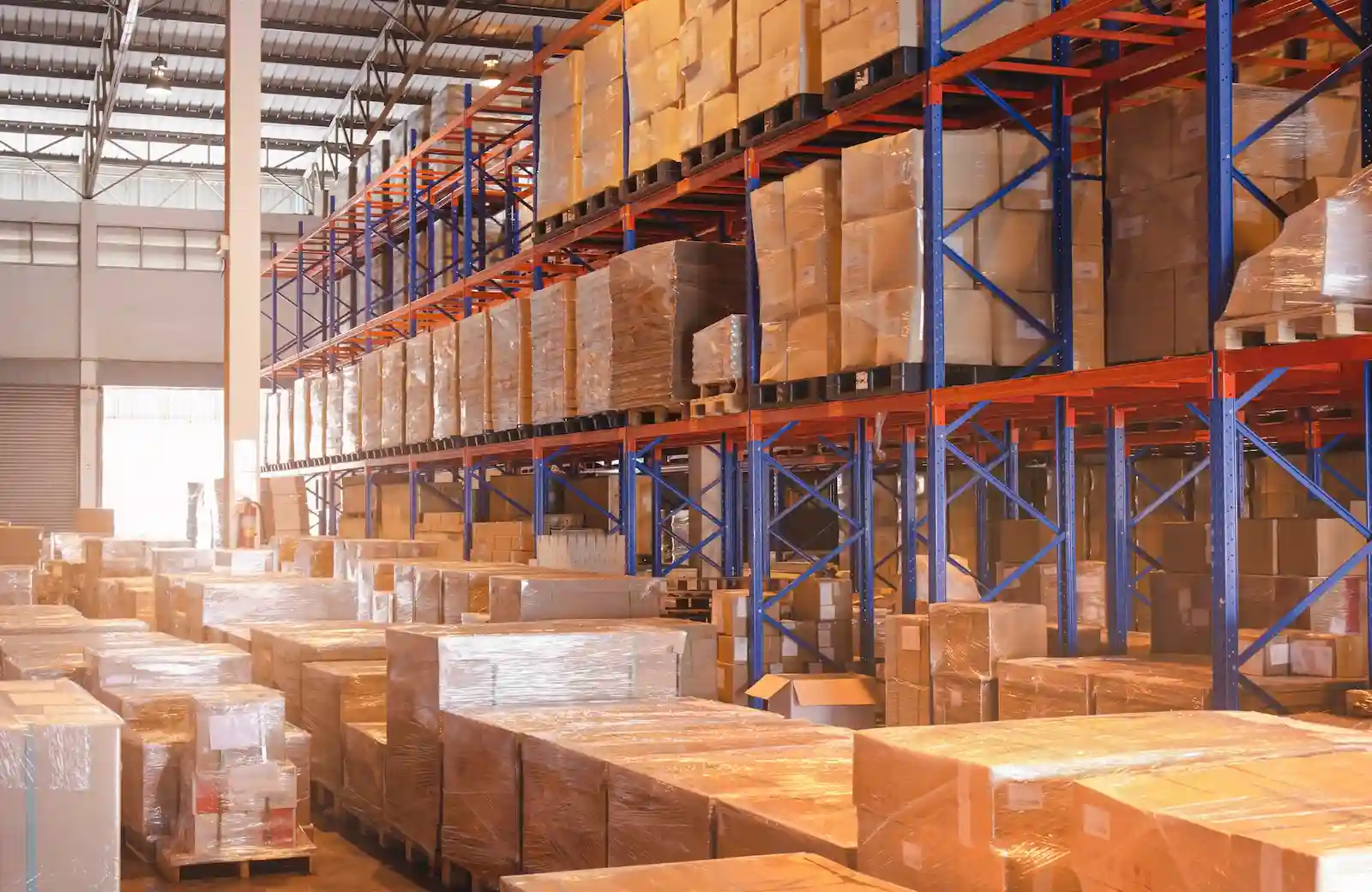
Warehouse is a term in the logistics industry that refers to a place for storing goods. However, today warehouses come in various forms that facilitate the operation of logistics systems.
Not only conventional warehouses, almost all logistics systems now utilize warehouses equipped with a Warehouse Management System (WMS). So, what is the difference between the two? Let’s explore more information about warehouses in the article below.
What is a Warehouse?
As previously explained, a warehouse is a term that refers to a storage facility within a logistics system, also commonly known as a storage facility. Not only serving as a place to store goods, almost all warehouses in logistics systems are now equipped with a WMS (Warehouse Management System).
Basically, the role of a warehouse is very important in supply chain management, starting from receiving, organizing, to distributing goods.
To support efficiency, warehouses are usually designed with a strategic layout, large storage capacity, and supporting technologies such as real-time stock monitoring and reporting systems.
With an organized system, warehouses enable companies to meet market demand more quickly and accurately.
Read also: Understanding How Cold Storage Works and Its Benefits
Warehouse Functions
Warehouses play an important role in supply chains and logistics management. In general, the main functions of a warehouse are as follows:
Storage: Warehouses provide safe and organized storage space for various types of goods, including those that require temperature control, humidity regulation, and special security.
Inventory management: This function includes stock monitoring, inventory control, and tracking expiration dates to prevent overstocking or shortages.
Order processing: Warehouses handle picking, inspection, packing, and shipment preparation based on incoming orders to ensure smooth distribution processes.
Consolidation and separation: Goods from various sources can be gathered in one location or sorted according to delivery destinations for efficient management and logistics cost optimization.
Value-added services: Some warehouses provide additional services such as labeling, assembly, repacking, or product customization based on customer needs.
Quality control: Warehouses also play a role in inspecting product quality, both upon receipt and during storage, to ensure quality is maintained before distribution.
Read also: Understanding 6 Types of Industries That Require Cold Storage
Types of Warehouses
Each type of warehouse is designed to meet different business needs. The following are some common types of warehouses used in the logistics industry:
Cold Storage
Cold storage is a temperature-controlled storage facility designed to slow down spoilage and maintain the quality of perishable products.
Types of products stored in cold storage:
Fresh food: such as meat, fish, vegetables, and fruits
Frozen food: such as seafood, nuggets, and ice cream
Dairy products: including yogurt and cheese
Pharmaceutical products: such as vaccines and liquid medicines
Cosmetics: for example, heat-sensitive skincare products
Characteristics of cold storage:
Temperature ranges from -20°C to +5°C, depending on the product type
Uses industrial refrigeration systems with thick insulation
Equipped with 24-hour temperature monitoring and automatic alarms
Features precise humidity control
Dry Storage
Dry storage is a type of warehouse with room temperature conditions used to store goods that do not require refrigeration.
Types of products stored in dry storage:
Dry goods such as rice, sugar, and flour
Industrial products such as machinery and spare parts
Electronic goods such as laptops, mobile phones, and accessories
Textiles including fabrics and clothing
Non-food retail products
Characteristics of dry storage:
Room temperature ranges from 20°C to 25°C
Does not require refrigeration systems
Has more efficient operational costs
Ideal for products with longer shelf life
If you are looking for reliable, efficient, and comprehensive warehouse services, MGM Bosco Logistics is the right partner.
With more than 20 years of experience in the cold chain industry, MGM Bosco provides integrated warehouse service solutions, including multi-temperature storage (frozen, chilled, and air-conditioned), real-time inventory control systems, and well-organized and professional handling of goods.
In addition, MGM Bosco is supported by digital technologies such as a Warehouse Management System, 24/7 temperature monitoring and GPS tracking, as well as a customer portal to monitor all activities transparently.
Furthermore, MGM’s 3PL (Third-Party Logistics) services allow you to entrust the entire logistics process, from storage to delivery, with consistent service quality.
Therefore, entrust your logistics needs to MGM Bosco Logistics. Contact us now for more information and ensure that every product reaches its destination safely, on time, and in the best condition.
Read also: Inventory Control Functions & Methods Every Business Should Understand