How Does a Refrigerated Freight Forwarder Work? Here's the Guide!
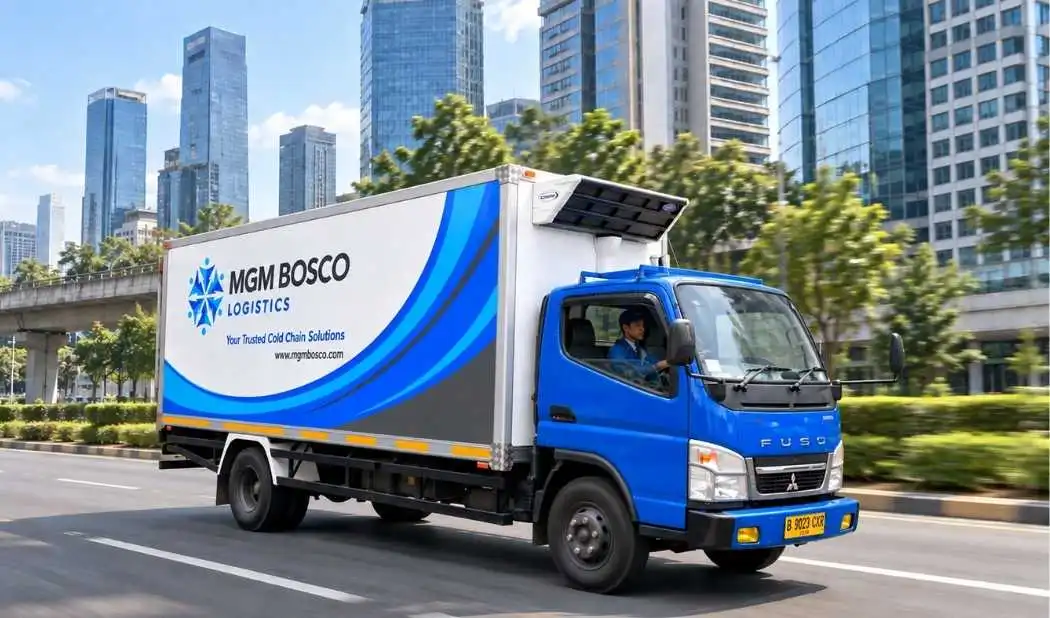
Refrigerated delivery, or cold chain logistics, is a service for delivering goods at controlled temperatures. This system aims to keep goods in good condition throughout the delivery process.
Therefore, every stage in the delivery process must not be carried out carelessly. So, what is the actual workflow of refrigerated delivery? Check out the complete guide below.
Products That Require Refrigerated Delivery
Some types of products require extra handling during the delivery process to prevent damage caused by inappropriate temperatures.
For example, vaccines exposed to high temperatures for a long time will have reduced effectiveness. In addition, fresh food stored at hot temperatures can also experience damage and lose its quality.
Therefore, refrigerated delivery can be the right choice to keep product conditions maintained at the specified temperature. Here are several types of products that require refrigerated delivery:
Pharmaceutical products, such as medicines, vaccines, and other pharmaceutical products that are sensitive to temperature.
Frozen food, such as nuggets, sausages, and other frozen foods.
Fresh food, such as fruits, vegetables, meat, fish, and other seafood products.
Dairy products, such as milk, cheese, and yogurt.
Chemical products that require storage at a certain temperature to prevent unwanted chemical reactions.
Fresh flowers so they do not wilt quickly.
Beauty products, such as cosmetics and perfumes.
Read also: F&B Business Tips and the Role of Cold Storage in It
Understanding the Refrigerated Delivery Workflow
The workflow or stages of refrigerated delivery are certainly different from regular delivery. Here is the refrigerated delivery workflow that you need to know.
1. Pre-Cooling
The initial stage of refrigerated delivery is pre-cooling, which aims to cool the product immediately after it is harvested or produced. At this stage, the product temperature will be lowered before entering storage to stop unwanted ripening processes and ensure harmful bacteria do not develop.
2. Packaging
Proper food packaging is very important in refrigerated delivery. Here are some of its functions:
Physical and bacterial protection: Protecting food products from physical damage and bacterial contamination during the transportation and storage process.
Maintaining product quality: Maintaining the taste, aroma, and nutrients of food so that it remains fresh until it reaches consumers.
Preventing cross-contamination: Minimizing the risk of cross-contamination between foods so that food product safety is maintained.
3. Transportation with Refrigerated Fleet
Sending products using a fleet or refrigerated truck is one of the important stages. This stage aims to keep product temperatures stable and optimal throughout the delivery process from the producer to the consumer.
With the support of a refrigeration system installed in the vehicle, low temperatures can be maintained consistently to prevent spoilage, control contamination risks, and minimize damage caused by exposure to hot temperatures so that product quality and safety remain guaranteed according to applicable standards.
Read also: Understanding the Benefits & Process of Cold Chain Logistics in Business
4. Storage in Cold Storage
The next stage of refrigerated delivery is storing products in cold storage or a refrigerated warehouse. Cold storage is a warehouse specifically designed to store products at low temperatures and keep the humidity of the storage environment stable according to the specific requirements of the products.
While in cold storage, temperature conditions will be monitored regularly to maintain product conditions. This storage also helps maintain product quality before entering the distribution stage using refrigerated vehicles.
5. Distribution with Controlled Temperature
This stage focuses on keeping product temperatures at the appropriate level during delivery from the producer until they reach the final consumer. The distribution process is carried out using refrigerated vehicles equipped with refrigeration systems to control the temperature.
The main goal is to maintain the quality, freshness, and safety of products throughout the journey so that consumers receive high-quality products safely.
6. Real-Time Temperature Monitoring and Supervision
In the final stage of refrigerated delivery, officers will conduct real-time temperature monitoring and supervision using modern technology equipped with temperature sensors and advanced monitoring devices connected online.
Thus, temperature can be monitored and controlled accurately throughout the distribution process. If there is a temperature change that does not meet the standard, the system will display a notification so that officers can immediately adjust it.
Entrust Your Refrigerated Delivery Process to MGM Bosco Logistics
Ensuring that product quality remains maintained from the beginning of production until it reaches consumers is a crucial process in business. Therefore, it is important to choose the right refrigerated delivery service so that product quality remains maintained throughout the journey.
By choosing an experienced partner, you also do not have to deal with managing every stage of the cold chain yourself, allowing you to focus more on operations and other business development.
To help you meet these needs, MGM Bosco Logistics is here as a partner for refrigerated delivery that provides integrated services, ranging from Cold Storage, Refrigerated Trucks, Logistics Solutions, to Supporting Services to optimize the storage and distribution process of products.
These service supports can help make the distribution process more organized and efficient. As a result, you can ensure that products reach consumers in good condition. So, contact us and entrust your product distribution process to MGM Bosco.
Read also: Supply Chain Management: Goals, Benefits, and Stages