Tips to Reduce Food Loss for More Efficient Operations
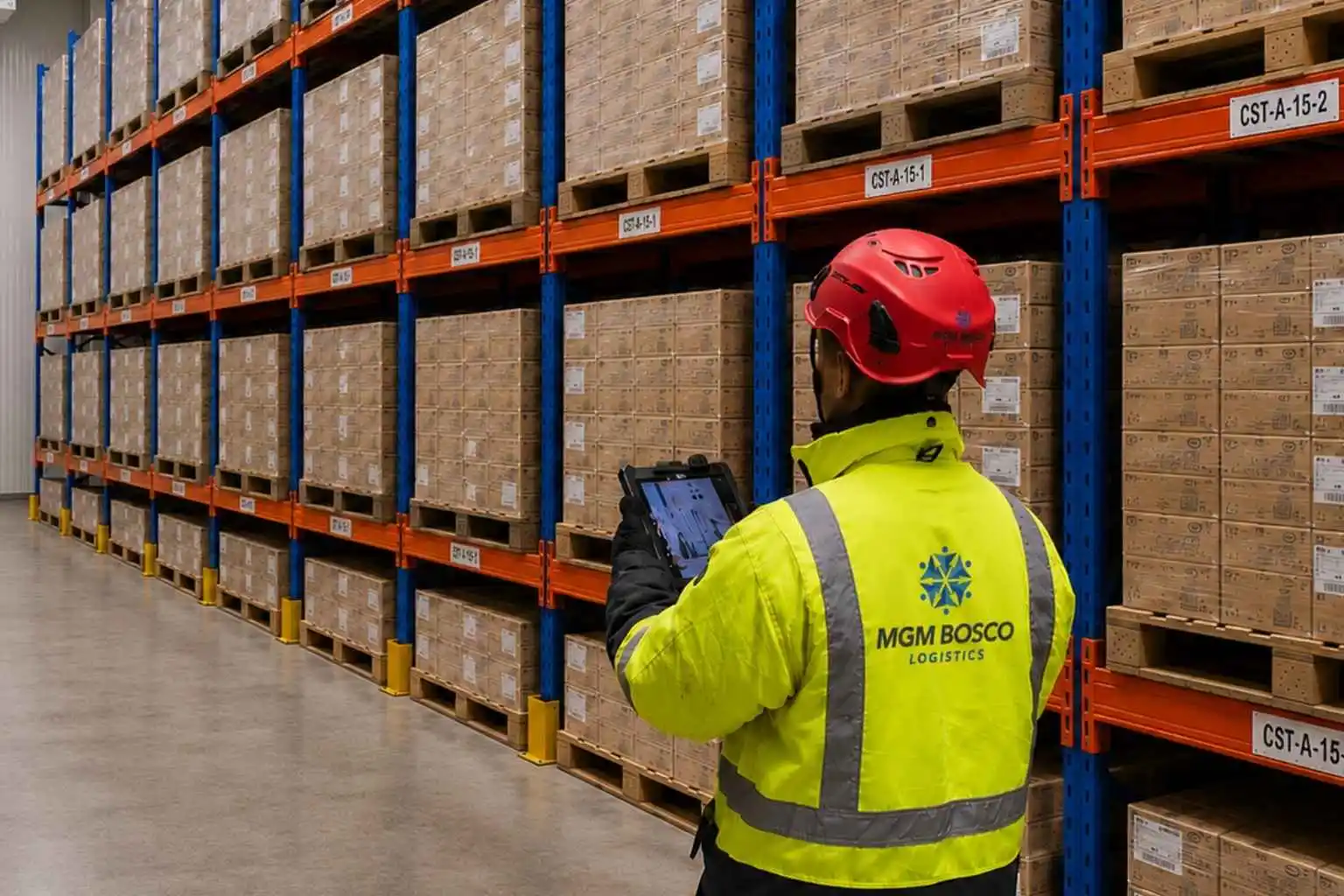
In the F&B industry, food loss refers to the condition in which food products lose quantity or quality before they can be utilized or consumed.
If not properly managed, food loss can become a problem that affects business profitability, food availability, and the environment. Therefore, it is important for business owners to understand its causes and how to address them from the beginning. Read the full explanation about food loss below.
What Is Food Loss?
Food loss is the reduction in the quantity or quality of food products that occurs during the production, storage, distribution, or processing stages before the products reach consumers.
This loss can be caused by various factors, such as improper handling, damage during distribution, inadequate storage conditions, or disruptions in the cold chain.
In the F&B industry, food loss often occurs in perishable goods, such as:
Meat and processed meat products.
Fish and seafood.
Fruits.
Fresh vegetables.
Dairy products.
Frozen food.
When stored at inappropriate temperatures, food quality can decline rapidly. As a result, the products are no longer suitable for use or sale, causing losses for business owners.
The Difference Between Food Loss and Food Waste
The terms food loss and food waste are often considered the same, even though they have fundamental differences.
Food loss occurs before food products reach the end consumer. This loss usually takes place during the production, post-harvest, storage, processing, or distribution stages.
Examples include:
Fruit that spoils during transportation.
Meat that is damaged because the storage temperature is unstable.
Vegetables that wilt due to improper storage.
Meanwhile, food waste refers to food that is still fit for consumption but is discarded by businesses or consumers.
Examples include:
Restaurant meals left unfinished by customers.
Food ingredients that expire because they are not used on time.
Products discarded due to poor inventory planning.
In short, food loss occurs before food reaches consumers, while food waste occurs after food is available for consumption.
Read also: Tips for Choosing Cold Storage for a Frozen Food Business
What Are the Losses Caused by Food Loss?
Food loss can result in financial losses and also affect various other aspects, such as:
1. Increased Operational Costs
When raw materials are damaged before they can be used, companies must spend additional money to replace the lost inventory. The higher the level of food loss, the greater the production costs that must be borne.
2. Reduced Business Profitability
Products that cannot be sold represent lost revenue opportunities. Over time, this condition can reduce the company's profit margins.
3. Disrupted Supply Chain
Food loss can create supply imbalances. As a result, businesses may struggle to consistently meet market demand.
4. Reduced Product Quality
Products that experience quality deterioration during storage or distribution may negatively affect customer satisfaction and business reputation.
5. Environmental Impact
Every food product that is wasted also wastes the resources used during its production, including water, energy, and agricultural land. In addition, food waste contributes to greenhouse gas emissions.
Read also: Supply Chain Management: Objectives, Benefits, and Stages
Tips to Reduce Food Loss Through Effective Storage
One of the most effective ways to reduce food loss is to ensure that storage and distribution systems operate optimally. Here are several steps that can be implemented:
1. Maintain Storage Temperatures According to Standards
Each type of product has different temperature requirements. Frozen products require lower temperatures than fresh products. Improper storage temperatures can accelerate the growth of microorganisms and reduce product quality.
Therefore, businesses need to ensure that all products are stored at the correct temperature according to their characteristics.
2. Utilize Cold Storage Facilities
Cold storage is a temperature-controlled storage facility designed to maintain the quality of temperature-sensitive products.
Using cold storage provides various benefits, including:
Extending product shelf life.
Maintaining the quality and freshness of food products.
Reducing the risk of damage during storage.
Significantly reducing food loss.
For F&B businesses handling large quantities of fresh or frozen products, cold storage is an essential part of inventory management strategy.
3. Optimize the FIFO System
The First In, First Out (FIFO) method ensures that inventory received first is used or distributed first. This approach minimizes the risk of products expiring while in storage.
4. Monitor Storage Conditions Regularly
In addition to temperature, other factors such as humidity and the cleanliness of storage areas should also be monitored. Regular monitoring helps identify potential issues before they result in product damage.
5. Use Refrigerated Trucks for Distribution
Proper storage must be supported by an appropriate distribution process. As products move from the warehouse to their destination, the temperature must remain stable to prevent quality deterioration.
Therefore, the use of refrigerated trucks is an important solution for maintaining an uninterrupted cold chain throughout the delivery process.
Reduce the Risk of Food Loss with MGM Bosco!
Food loss can have a significant impact on operational efficiency, business profitability, and product quality. One of the best ways to reduce this risk is by utilizing reliable temperature-controlled storage and distribution facilities.
MGM Bosco is your trusted partner, providing Cold Storage Services and Refrigerated Trucks to support the needs of the F&B industry. With well-maintained storage facilities and a refrigerated distribution fleet, MGM Bosco is ready to help maintain optimal product quality from the warehouse to your customers.
If you want to reduce food loss while improving your supply chain efficiency, trust your cold chain logistics needs to MGM Bosco!
Read also: Understanding the Benefits and Process of Cold Chain Logistics in Business