Important Characteristics of Stale Frozen Food to Know
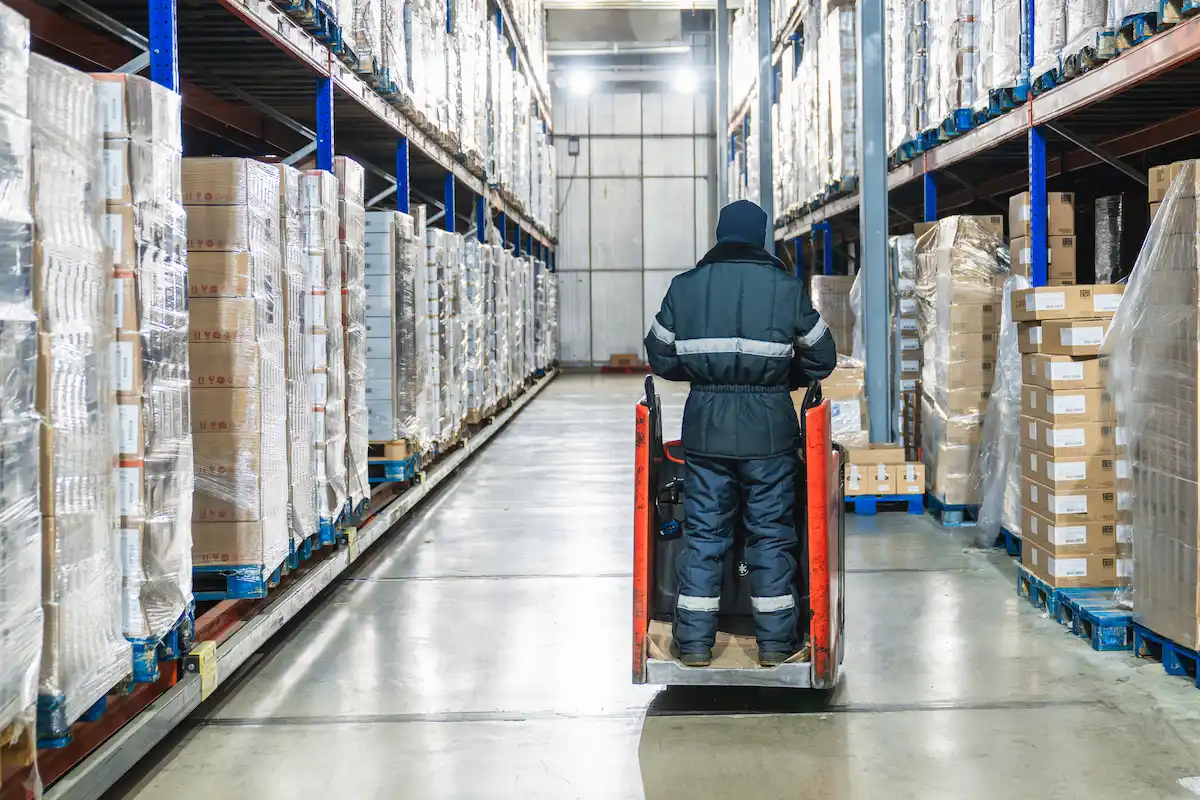
For entrepreneurs who are just starting a frozen food business, maintaining product quality is one of the biggest challenges. Understanding the signs of spoiled frozen food is essential to ensure that the products you sell remain safe for consumption and do not damage your business reputation.
Although frozen food generally has a relatively long shelf life, its quality can still decline if storage, packaging, or distribution is not handled properly.
Therefore, in addition to recognizing the signs of spoiled frozen food, business owners also need to understand how to maintain product quality from the production process through to delivery. Let's take a closer look.
Tips to Keep Frozen Food from Spoiling Easily
The shelf life of frozen food is generally determined based on the product type, production process, and quality testing. Therefore, the goal is not to extend the shelf life beyond the established limit but to maintain product quality so that it remains within the required standard until its expiration date. Here are several steps you can take:
1. Make Sure Products Are Frozen Quickly
A slow freezing process can lead to the formation of large ice crystals that may damage the texture of the food. Therefore, products should be frozen immediately after production to preserve their quality.
2. Use Proper Packaging
Packaging plays an important role in protecting products from air, moisture, and contamination. Choose packaging that is durable, airtight, and suitable for the characteristics of the product.
In addition, make sure the packaging is tightly sealed to reduce the risk of freezer burn, a condition in which the surface of the food becomes dehydrated due to exposure to air during storage.
3. Apply Clear Product Labels
Each product should include information such as the production date, expiration date, and batch code. This makes inventory management easier while also supporting traceability if product quality issues arise.
4. Implement the FIFO System
FIFO (First In, First Out) is an inventory management method that ensures products received first are distributed first.
By applying this system, the risk of products remaining in the freezer for too long can be minimized, helping to maintain product quality.
5. Avoid Temperature Fluctuations During Storage
Frequent temperature changes can trigger thawing and refreezing cycles. These conditions may reduce product quality, damage texture, and even increase the risk of certain microorganisms developing.
Therefore, storage temperatures should remain stable according to the requirements of frozen food products.
6. Ensure Distribution Maintains an Unbroken Cold Chain
Many businesses focus on warehouse storage but overlook the distribution process. In fact, frozen food quality can decline if the temperature is not maintained during transportation to distributors, resellers, or customers.
Using an integrated cold chain system is one of the best solutions for maintaining product quality throughout the distribution process.
Read also: Tips for Starting a Chicken Business from Scratch for Beginners
Signs of Spoiled Frozen Food
Recognizing the signs of spoiled frozen food helps business owners perform quality control before products reach consumers. Here are several signs to watch for:
1. Unpleasant Odor
Frozen food that is still safe to consume generally does not produce a strong odor. If the product emits a sour, rancid, or unusual smell after thawing, it may indicate that its quality has deteriorated.
2. Changes in Product Color
Color changes are often one of the earliest signs of food deterioration. For example, meat that was originally bright in color may become dull, grayish, or develop abnormal spots.
A change in color does not always mean the product has spoiled, but it should still be considered a warning sign of declining quality.
3. Soft or Slimy Texture
After thawing, high-quality frozen food should still retain a texture similar to its original condition. If the product feels slimy, overly soft, or otherwise abnormal, it should be inspected further.
4. Severe Freezer Burn
Freezer burn is typically characterized by white patches, excessive ice crystals, or dry-looking areas on the surface of the food.
Although freezer burn is not always harmful, it can reduce the product's taste, texture, and appearance, making it less suitable for sale.
5. Swollen or Damaged Packaging
Swollen packaging may indicate microbial activity inside the product. Likewise, leaking or damaged packaging increases the risk of contamination.
If either condition is found, the product should not be distributed until further inspection has been carried out.
6. Excessive Ice Crystals
A thick layer of ice or excessive ice crystal formation may indicate that the product has experienced temperature fluctuations during storage.
This condition can affect product quality and may indicate that the cold chain has not been properly maintained.
7. Exceeding the Recommended Shelf Life
Every frozen food product has a shelf life determined through testing. Products that have passed their expiration date or recommended storage period should no longer be marketed to consumers.
Read also: Low-Temperature Food Preservation: Keeping Food Fresh Longer
Need Effective Frozen Food Storage? Trust MGM Bosco!
For new frozen food business owners, maintaining product quality depends not only on the production process. Proper storage and distribution systems also play a crucial role in preserving product quality until it reaches customers.
MGM Bosco provides cold chain services designed to help businesses maintain consistent product temperatures throughout storage and distribution. With adequate cold storage facilities and professional handling systems, frozen food products can be stored in conditions that meet industry standards.
Through integrated cold chain support, business owners can focus on growing their business without worrying about the risk of product quality deterioration caused by improper storage.
If you want to ensure your frozen food products maintain their quality from the warehouse to your customers, contact us to learn more about the right cold chain solution for your business.
Read also: Ship Frozen Food to Other Cities More Easily with MGM Bosco