Low Temperature Preservation Methods to Keep Food Fresh
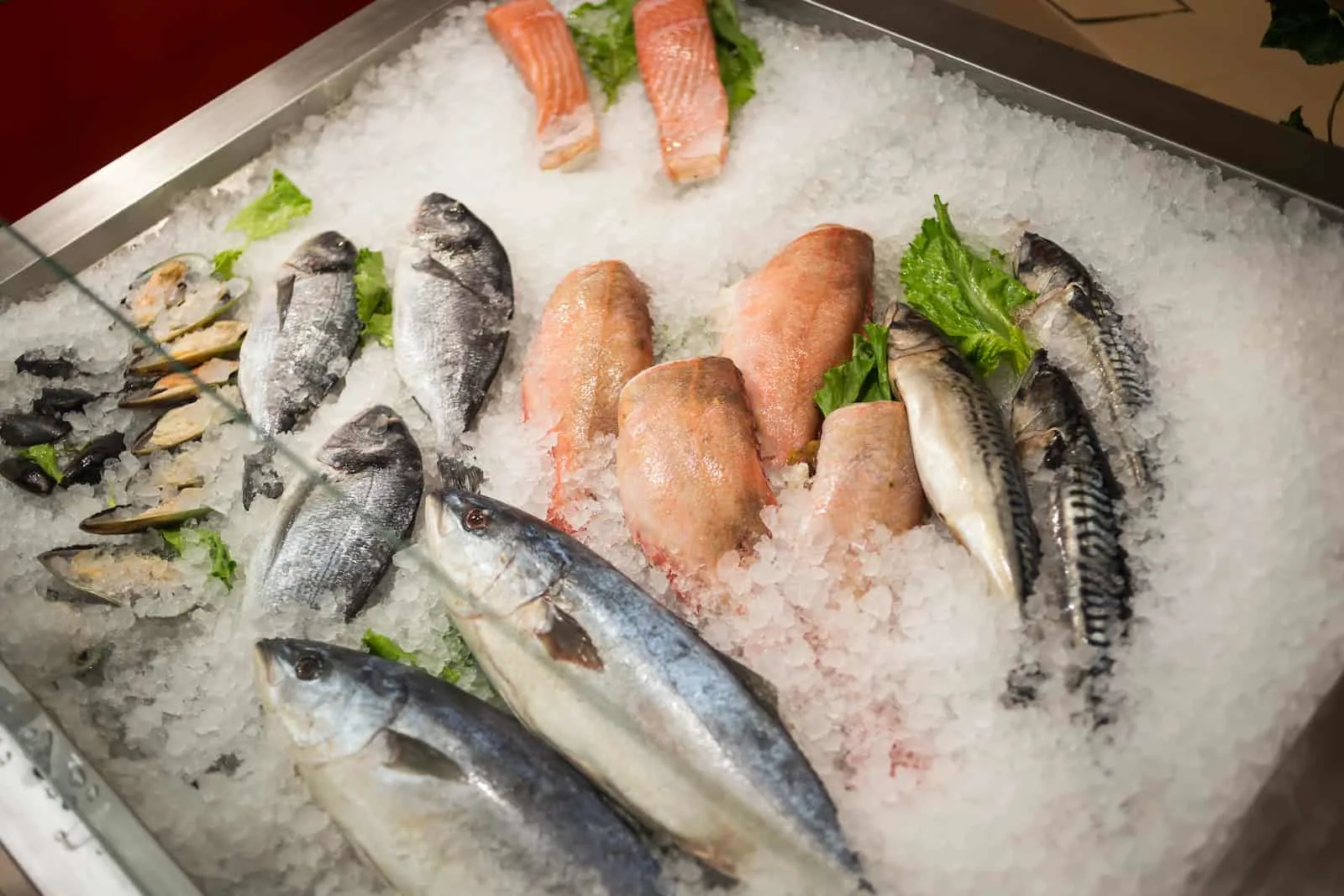
Food stored without proper handling will spoil more quickly, both in terms of taste, texture, and safety. This condition can certainly be harmful, especially if you store products in large quantities for household or business needs.
One of the most effective ways to maintain quality is through low-temperature food preservation. So, how does low-temperature preservation work for food products? Read the explanation in this article!
What Is Low-Temperature Preservation?
Low-temperature preservation is a method of storing food at specific temperatures to slow down the deterioration process. This method works by lowering the temperature so that the activity of bacteria, fungi, and enzymes in food becomes slower. When the growth of microorganisms is inhibited, food quality tends to be better maintained.
Low-temperature preservation methods are widely used for various food products, such as meat, chicken, fish, seafood, vegetables, fruits, dairy products, and ready-to-eat meals. Each type of food usually requires a different storage temperature. Some products only need chilled storage, while others must be fully frozen to prevent rapid spoilage.
Low-temperature preservation does not mean food will last forever. This method helps extend shelf life, but it must still be supported by proper handling.
For example, food should be stored in clean containers, temperatures must remain stable, and the movement of products in and out of storage must also be managed properly. If temperatures fluctuate frequently, food quality can still decline even when stored in cold conditions.
Therefore, low-temperature preservation is not simply about placing food inside a refrigerator. There are storage procedures, product segregation methods, and temperature control systems that must be implemented to ensure optimal preservation.
Purpose of Low-Temperature Preservation
Cold-temperature preservation functions to maintain food quality so it remains safe and suitable for consumption over a longer period. This function is especially important for perishable products or foods with high moisture content.
One of its main purposes is to slow down the growth of microorganisms. Spoilage bacteria and harmful microbes usually grow faster at room temperature. When food is stored at low temperatures, microbial growth slows down, reducing the risk of spoilage.
In addition, cold-temperature preservation helps maintain the physical quality of food. Meat texture, vegetable freshness, fruit color, and the aroma of processed products are easier to preserve when stored at the correct temperature. This is especially beneficial for food businesses that need to maintain product quality from storage through distribution.
Another purpose is to reduce potential losses. If food spoils quickly, inventory can no longer be sold or used. For culinary businesses, food manufacturers, distributors, or retail store owners, this can directly impact operational costs.
With a proper low-temperature storage system, the risk of food waste can be minimized. Low-temperature preservation also supports food safety. Food stored at properly controlled temperatures tends to remain safer when it reaches consumers.
Read also: Understanding Cold Chain Management for Vaccines and Its Benefits
Examples of Low-Temperature Preservation
Low-temperature preservation can be carried out through the following methods. Each method serves a different purpose depending on the product type, storage duration, and distribution requirements.
1. Freezer
A freezer is equipment used to store food at frozen temperatures, usually below -18°C. At this temperature, the water content inside the food freezes, causing microbial activity to nearly stop.
This method is suitable for storing meat, fish, frozen food, and other food ingredients for long-term storage. Food products can be stored for weeks or even months.
However, the freezing and thawing process must still be considered carefully. If food is repeatedly frozen and thawed, its quality may decline. Texture can change, natural juices may be lost, and flavor can also be affected.
Therefore, food stored in a freezer should ideally be portioned and tightly packaged. This way, you do not need to open the entire stock when only taking a portion. This simple step helps maintain stable temperatures and product quality.
2. Chiller
A chiller or standard refrigeration unit operates at higher temperatures than a freezer, generally ranging between 0°C and 4°C. These temperatures do not freeze food but are sufficient to slow bacterial growth.
This method is suitable for food products intended for immediate use, such as vegetables, fruits, milk, beverages, eggs, fresh cooking ingredients, and certain ready-to-cook foods.
In households, chillers are commonly found in the main compartment of refrigerators. For business purposes, chillers may include refrigerated cabinets, cold rooms, or specialized storage units with larger capacities.
Although it may seem simple, proper organization inside a chiller remains important. Raw products and ready-to-eat foods should be separated to prevent cross-contamination. In addition, chiller temperatures must be monitored regularly. If temperatures become too warm, bacterial growth may increase. If temperatures become too cold for certain products, product quality may decline.
For food businesses, chillers are essential for maintaining fresh daily inventory, ensuring easy access, and keeping products ready for processing at any time. This method helps operations run more efficiently while supporting food hygiene standards.
3. Cold Storage
Cold storage is a large-scale, temperature-controlled storage facility specifically designed to store products in large quantities with stable temperatures adjusted according to product requirements.
Cold storage is commonly used by food businesses, distribution industries, restaurants, supermarkets, food manufacturers, and logistics companies. Unlike household freezers or chillers, cold storage facilities are equipped with more advanced systems.
Cold storage temperatures can be adjusted according to product categories, storage capacity is significantly larger, and monitoring processes are generally conducted regularly. This method is highly effective for maintaining product quality from storage through delivery.
This is why cold storage is commonly used for products sensitive to temperature fluctuations, including frozen food, fresh meat, seafood, dairy products, and food ingredients that must remain at specific temperatures during distribution.
If temperatures become unstable, product quality may decline before reaching customers. Therefore, cold storage is not simply a cold room, but a storage method designed to maintain a safe, efficient, and standards-compliant supply chain.
4. Air Blast Freezer
An air blast freezer is a rapid freezing method that uses extremely cold, high-speed airflow to freeze products, typically food products.
Simply put, products such as meat, fish, or vegetables are placed inside a freezing chamber where very cold air, reaching temperatures between -30°C and -40°C, circulates rapidly. This airflow accelerates the freezing process compared to conventional freezers.
Maintain Your Food Product Quality with Cold Storage from MGM Bosco
If your business operates in frozen food, fresh food ingredients, or distribution of products requiring stable temperatures, you need reliable cold storage services from MGM Bosco Logistics.
The cold storage system helps maintain controlled temperatures inside storage facilities. MGM Bosco Logistics’ cold storage services are also suitable for both short-term and long-term business needs.
From a distribution perspective, MGM Bosco is supported by a fleet of more than 1,000 refrigerated trucks with strategically planned delivery routes to help ensure shipments arrive on schedule.
These services are also supported by certifications including ISO 9001:2015, ISO 45001:2018, and Halal Indonesia certification. These standards demonstrate the company’s commitment to service quality, workplace safety, and reliable product handling processes.
Therefore, if you require safer, more organized, and efficient frozen food storage and distribution solutions, MGM Bosco can become your trusted logistics partner. Contact us today to get cold storage and distribution solutions tailored to your operational business needs!
Read also: 7 Important Roles of Cold Storage Companies in Indonesia & Their Challenges