Restaurant Supply Chain Management to Maintain Raw Material Quality
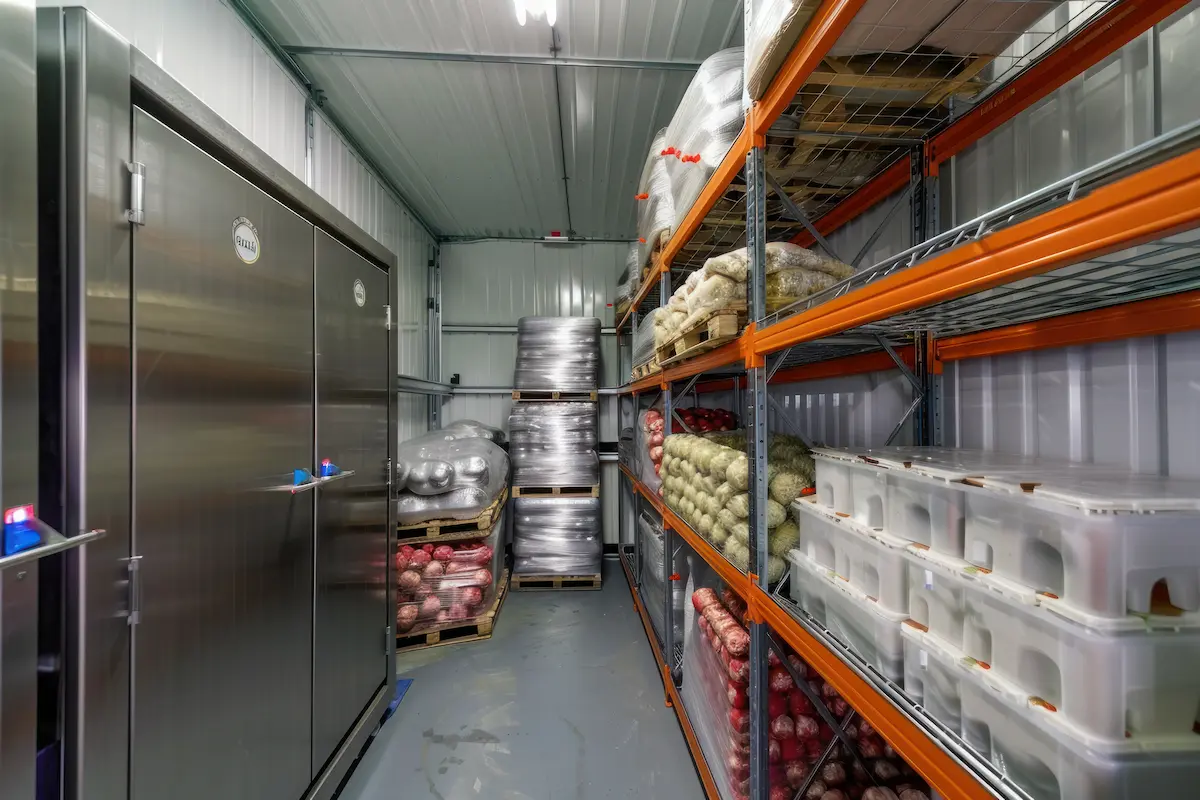
Restaurant supply chain management is one of the important aspects that determines the smooth operation of an F&B business. Good stock management not only helps ensure the availability of raw materials, but also maintains food quality that will be served to customers.
In the F&B industry, each raw material has different characteristics and shelf life. If storage is not carried out properly, the risk of ingredient damage, stock waste, and operational losses can increase.
With a good warehouse management system, you can accurately monitor the movement of goods, control operational costs, and improve overall supply chain efficiency. Read the complete review below.
What Is Restaurant Supply Chain Management?
Restaurant supply chain management is a series of processes carried out to manage the storage, recording, monitoring, and distribution of raw materials and restaurant operational supplies within the warehouse.
The main objective of restaurant warehouse management is to ensure that all inventory is available in the right quantity, maintained in good quality, and can be used according to daily operational needs.
In general, the objectives of restaurant supply chain management include:
Maintaining the availability of raw material stock.
Reducing the risk of stock outs.
Minimizing waste caused by damaged or expired ingredients.
Simplifying the inventory recording process.
Improving restaurant operational efficiency.
Helping control inventory costs.
Through good warehouse management, restaurants can provide consistent service to customers without being disrupted by raw material availability issues.
Read also: Understanding the Benefits & Process of Cold Chain Logistics in Business
Restaurant Supply Chain Management Strategies
To ensure supply chain management runs more efficiently, several strategies can be implemented, including:
1. Implement FIFO and FEFO Systems
FIFO (First In First Out) is a stock management method that ensures goods that enter first are used first.
In addition to FIFO, restaurants can also implement FEFO (First Expired First Out), which prioritizes the use of ingredients with the nearest expiration date.
This method is very important for reducing the risk of raw materials being wasted due to exceeding their shelf life.
2. Conduct Regular Stock Recording
Recording errors are often a major cause of discrepancies in inventory data.
Therefore, every item entering or leaving the warehouse needs to be recorded regularly and accurately. With continuously updated data, you can monitor stock conditions in real-time and make more accurate purchasing decisions.
3. Group Items by Category
Organized product arrangement will make the process of finding and monitoring stock easier. You can group items based on:
Type of raw material.
Frequency of use.
Storage temperature.
Expiration date.
A good grouping system also helps reduce errors when picking items.
4. Maintain Storage Conditions According to Product Characteristics
Not all raw materials can be stored under the same conditions. Fresh products such as meat, seafood, milk, and vegetables require specific storage temperatures to maintain their quality.
For example, one way to prevent chicken meat from spoiling quickly is to store it at a stable cold temperature and avoid frequent temperature changes. Therefore, restaurants need to ensure that the storage facilities used are suitable for the needs of each product.
5. Conduct Regular Stock Opname
Stock opname is the process of physically checking stock periodically to ensure consistency between system data and the actual conditions in the warehouse. This activity helps detect:
Stock discrepancies.
Missing goods.
Recording errors.
Potential inventory shrinkage.
The more regularly stock opname is conducted, the easier it is for the company to control inventory.
6. Utilize Warehouse Management Technology
Today, many F&B businesses are beginning to utilize digital systems to support warehouse management. The implementation of technology can help with:
Automatic stock monitoring.
Inventory report generation.
Tracking the movement of goods.
Stock requirement planning.
With an integrated system, the risk of human error can be minimized and operational efficiency increased.
Read also: Freezer Box Cars: Functions and Benefits in Business
Restaurant Supply Chain Management Mistakes to Avoid
Even with a storage system in place, many restaurants still face various challenges due to mistakes in warehouse management. Here are some mistakes that should be avoided:
1. Not Having Clear Warehouse SOPs
Without standardized operating procedures, each employee may carry out processes differently. This can potentially lead to errors in recording, storing, and distributing goods.
2. Storing Goods Without an Organization System
An unorganized warehouse makes the process of finding goods take longer and increases the risk of stock loss. In addition, ingredients that should be used first may be left behind until they exceed their shelf life.
3. Ignoring Regular Stock Checks
Some restaurants only check stock when a shortage occurs. In fact, regular checks are essential to determine the actual condition of inventory.
4. Overstock and Understock
Storing too much stock can increase storage costs and the risk of ingredients expiring. On the other hand, insufficient stock can disrupt operations and customer service.
Therefore, balanced stock requirement planning is needed based on sales data and demand trends.
5. Not Paying Attention to Storage Conditions
Incorrect storage temperatures can significantly reduce the quality of raw materials. The impact is not only financial loss but can also affect the quality of food served to customers.
6. Lack of Integration with the Distribution System
In F&B businesses with multiple branches or high distribution volumes, warehouse management cannot be separated from the logistics system. Lack of synchronization between warehouses and distribution often causes delivery delays and stock discrepancies.
MGM Bosco Is Ready to Be Part of Your Restaurant Supply Chain Management!
Implementing restaurant supply chain management is an important part of efforts to maintain raw material quality, reduce waste, and support the smooth operation of an F&B business.
By implementing the right strategies and avoiding common mistakes, restaurants can improve efficiency while providing better service to customers.
To make these efforts even more optimal, MGM Bosco is ready to be part of your restaurant supply chain management as a provider of Cold Storage Services that helps maintain the quality of food ingredients.
MGM Bosco Cold Storage Services are equipped with an advanced Warehouse Management System (WMS) to facilitate inventory management. Through this system, data can be monitored in real-time, automatic notifications can be received regarding products approaching their expiration dates, and the customer portal can be accessed.
This service can be used to store various types of products, ranging from processed dairy products, seafood, meat, vegetables, to food compounds. With the support of an efficient warehouse management system, MGM Bosco is ready to be your trusted partner as a food ingredient storage solution.
Find the MGM Bosco location that is most strategic for your business or contact us for a direct consultation!
Read also: Understanding the Benefits & Process of Cold Chain Logistics in Business