The Important Role of Cold Chain in the Ice Cream Business Industry
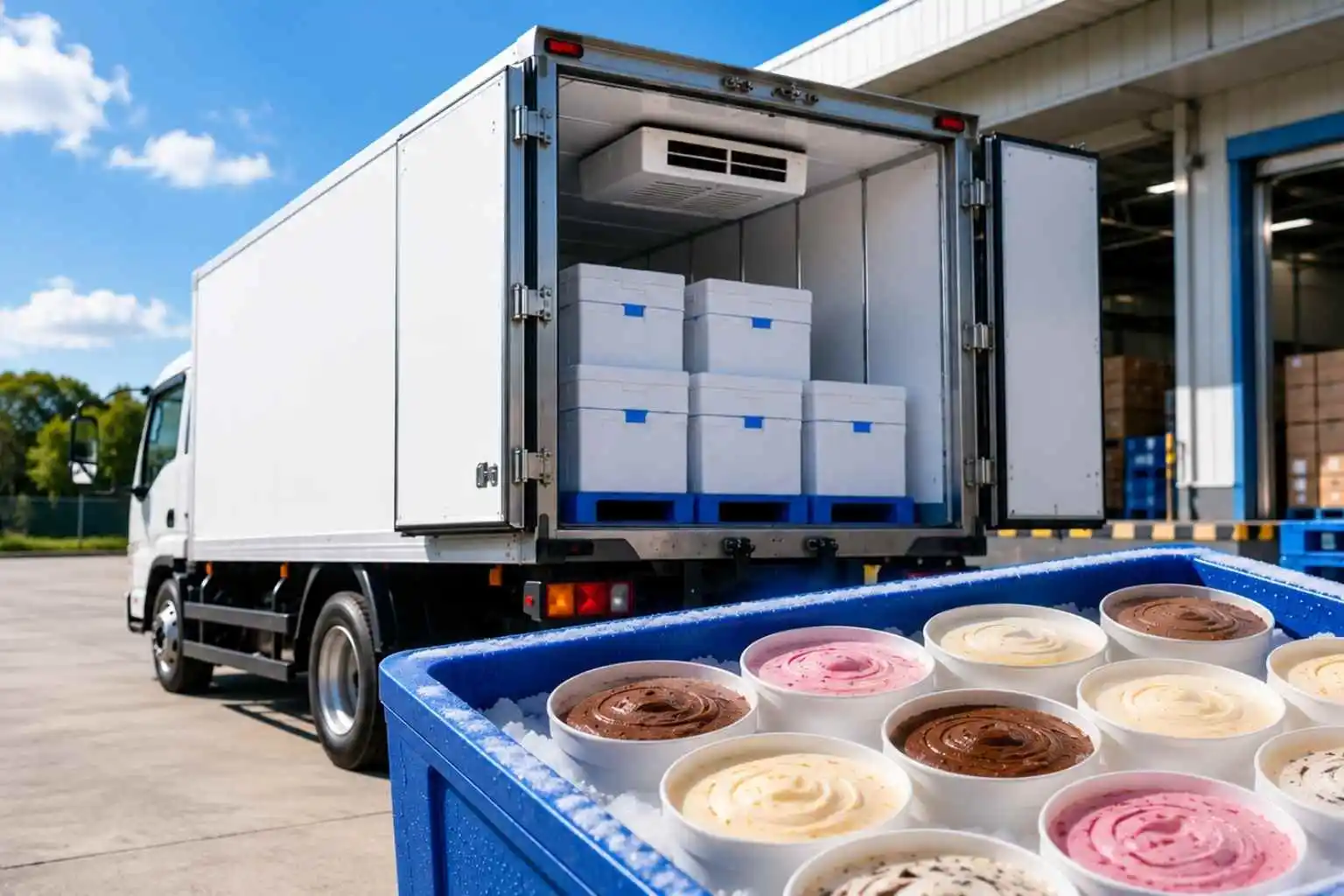
The food and beverage industry continues to grow rapidly, including the ice cream business, which has become one of the most dynamic sectors in Indonesia. Demand for this frozen treat continues to increase alongside the emergence of new flavor innovations and marketing strategies from both local and international brands.
However, behind every delicious ice cream that reaches consumers lies a complex and well-organized supply chain. One of its most important elements is the cold chain, a system that maintains stable product temperatures to ensure quality and safety throughout production, storage, and distribution.
Without proper temperature management, products can lose their quality and result in significant losses for businesses. Learn more about the important role of the cold chain in the ice cream industry and why this system is essential for success in a competitive market.
The Important Role of Cold Chain in the Ice Cream Business
In the ice cream business, the cold chain plays a crucial role in maintaining product quality and safety from the production process until it reaches consumers.
This system works by maintaining a stable temperature throughout every stage of the supply chain, including storage, packaging, transportation, and distribution. If the temperature is not properly maintained, ice cream can melt, lose its texture, and even experience a decline in flavor quality.
The cold chain itself consists of several key components, including refrigerated transportation, cold storage, and real-time temperature monitoring.
Each component is interconnected and requires strict supervision to ensure product temperatures remain stable. Failure at any stage can result in product damage and significant financial losses for the company.
Therefore, a reliable cold chain system is essential to preserve the quality, taste, and shelf life of ice cream until it reaches consumers in its best condition.
Read also: What Are Perishable Foods? Definition & Examples
Ice Cream Business Innovation Trends in Indonesia
Innovation trends in Indonesia's ice cream industry continue to grow rapidly. In addition to large manufacturers, artisan ice cream has become increasingly popular. Many local producers now offer premium gelato made with natural ingredients and without preservatives.
The advantages of artisan ice cream lie in its small-scale production, which helps maintain quality, the use of fresh and natural ingredients, and unique flavors that are rarely found in commercial products.
The ice cream industry is also becoming more dynamic with the introduction of local flavors such as klepon, es teler, and tape ketan, as well as healthier low-sugar products made with plant-based milk.
This trend is driven by growing public awareness of healthy eating habits, encouraging some manufacturers to produce ice cream using fresh fruit and natural sweeteners.
Innovation can also be seen in the variety of packaging options, ranging from small individual sizes to family packs, as well as digital marketing strategies through social media and e-commerce to reach more consumers.
Read also: Learn About the 6 Types of Industries That Require Cold Storage
Preserve Ice Cream Quality with MGM Bosco
In the ice cream industry, maintaining a stable product temperature is essential to preserve its texture and flavor.
The cold chain plays a major role in this process, especially during storage and distribution. Through cold storage, ice cream is kept at low temperatures to prevent melting or recrystallization.
This system also helps preserve product freshness for extended periods while ensuring optimal distribution until the product reaches consumers in its best condition.
In addition to storage, refrigerated trucks also play an important role in the ice cream supply chain. In the past, ice cream trucks relied on simple cooling systems. Today, modern transportation technology provides trucks equipped with automatic refrigeration systems that maintain stable temperatures throughout the journey.
These refrigerated trucks make it possible to safely deliver ice cream to various sales locations, from supermarkets and convenience stores to remote areas.
The availability of refrigerated truck fleets not only preserves product quality but also expands market reach and creates economic opportunities across different regions.
To ensure every stage of the cold chain operates efficiently, MGM Bosco Logistics provides integrated logistics solutions for frozen food businesses, including ice cream.
With more than 20 years of experience, MGM Bosco offers cold storage services, refrigerated truck fleets, and Third-Party Logistics (3PL) solutions covering storage, distribution, and real-time reporting through the customer portal.
MGM Bosco Logistics operates an extensive network consisting of four main warehouses located in Bekasi, Sidoarjo, Makassar, and Palembang, supported by more than 1,000 refrigerated trucks equipped with GPS and thermo-loggers.
Its entire operation is supported by digital management systems that enable real-time temperature and inventory monitoring. MGM Bosco is also certified with ISO 9001:2015, ISO 45001:2018, and Halal Indonesia certifications, ensuring quality, safety, and operational efficiency at every stage.
With a commitment to sustainability and environmentally friendly technology, MGM Bosco continues to innovate in protecting the quality of its customers' products. Contact us for safe, efficient, and reliable frozen food storage and distribution solutions for your business.
Read also: 7 Important Roles of Cold Storage Companies in Indonesia & Their Challenges