Tips for Developing a Seafood Business and the Importance of Cold Chain
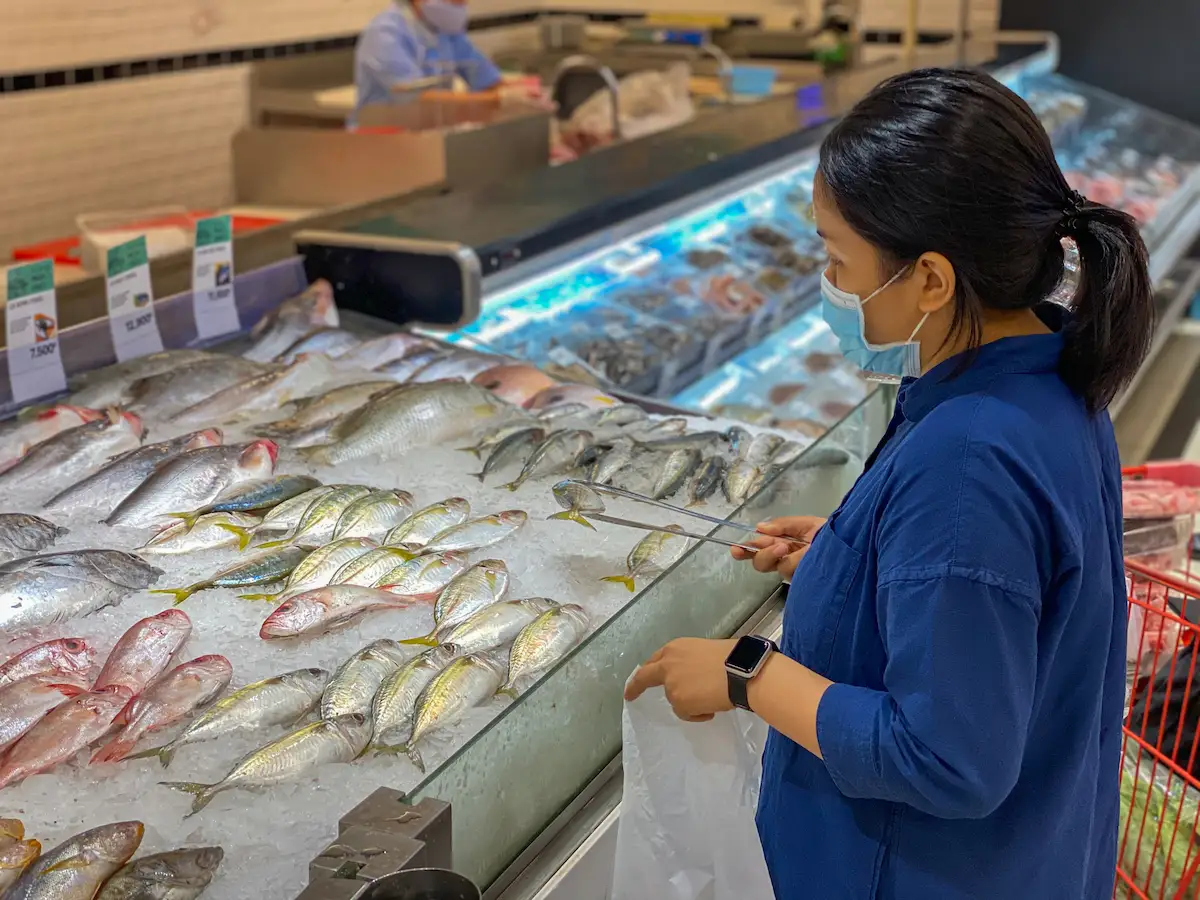
The seafood business is one of the fastest-growing sectors in Indonesia's culinary and food distribution industry. Increasing demand from restaurants, hotels, supermarkets, and household consumers presents significant opportunities for businesses to expand their market reach.
However, as a business grows, operational challenges also become more complex—from inventory management and raw material distribution to maintaining product quality throughout storage and transportation.
With the right logistics and cold chain system in place, seafood businesses can grow sustainably without compromising product quality. Read on to learn more.
Tips for Growing a Seafood Business
Growing a seafood business requires more than simply offering high-quality products. A well-planned strategy is essential to remain competitive and continue growing amid increasing market demand.
1. Maintain Consistent Product Quality
Quality is the most important factor in the seafood business. Consumers, as well as business customers such as restaurants and hotels, place great importance on receiving fresh products.
Therefore, it is essential to implement consistent storage and distribution standards from the moment products are received from fishermen or suppliers until they reach customers.
2. Expand Your Distribution Network
The seafood business offers broad market opportunities. In addition to selling directly to consumers, you can expand your customer base to restaurants, hotels, catering services, supermarkets, and regional distributors.
The wider your distribution network, the greater your potential for revenue growth.
3. Optimize Inventory Management
Seafood products fall into the category of perishable goods. Therefore, inventory must be managed carefully to avoid losses caused by expired products or declining product quality.
A commonly used principle is FIFO (First In, First Out), meaning products that arrive first should be distributed first. This system is also widely implemented in restaurant warehouse management to maintain the quality of food ingredients.
4. Establish Clear Standard Operating Procedures
As your business grows, documented standard operating procedures become increasingly important. Every process—from receiving products and storage to packaging and delivery—should follow clear procedures to ensure product quality remains consistent even as operational volumes increase.
5. Leverage Logistics Technology
Technology helps businesses monitor inventory, manage distribution, and track product movement in real time. With an integrated system, decision-making becomes faster and more accurate.
How to Manage a Seafood Business with Multiple Branches
When a seafood business expands to multiple branches or distribution points, operational management becomes more complex. In addition to focusing on sales, businesses must ensure that every branch receives high-quality raw materials on time.
1. Implement Standardized Operating Procedures
Every branch should follow the same procedures for receiving, storing, and handling seafood products. Standardization is essential to maintain consistent product quality across all business locations.
By implementing uniform standards, customers can enjoy the same experience at every branch.
2. Centralize Inventory Management
Many large companies use a centralized warehouse as the main distribution source for all branches. This strategy simplifies inventory control while improving procurement efficiency.
This concept is similar to modern restaurant warehouse management practices that utilize centralized warehouses to distribute ingredients to multiple outlets.
3. Use an Integrated Monitoring System
Digital systems enable business owners to monitor inventory levels, product movement, and the requirements of each branch in real time. With accurate data, companies can avoid excess inventory or stock shortages that could disrupt operations.
4. Ensure Smooth Distribution Between Branches
Distribution delays can affect seafood quality and disrupt branch operations. Therefore, a well-planned distribution system is essential, including the use of refrigerated vehicles to maintain proper product temperatures during transportation.
5. Focus on Operational Efficiency
The more branches a business operates, the greater the operational costs that must be managed. Regular evaluation of storage, distribution, and inventory management costs is essential to maintaining business profitability.
The Importance of Cold Chain in the Seafood Business
Cold chain is a logistics system designed to maintain stable product temperatures throughout storage, handling, and distribution. In the seafood industry, cold chain is no longer just an option—it is a necessity.
1. Preserve Product Freshness
Seafood is highly sensitive to temperature fluctuations. If products are not stored at the appropriate temperature, their quality can deteriorate rapidly. A cold chain system helps preserve product freshness from the source to the customer.
2. Reduce the Risk of Damage and Spoilage
Temperature fluctuations during storage or transportation can accelerate bacterial growth and cause product spoilage. A properly managed cold chain minimizes the risk of losses due to products becoming unfit for sale.
3. Extend Product Shelf Life
Cold storage enables seafood products to be stored for longer periods without significantly reducing quality. This is especially beneficial for businesses with large inventories or those distributing products across multiple regions.
4. Support Distribution to Multiple Branches
For seafood businesses with multiple branches, cold chain plays a critical role in maintaining product quality throughout distribution. Products shipped from a central warehouse can arrive at each branch fresh and in accordance with company quality standards.
5. Increase Customer Trust
Consistent product quality enhances customer satisfaction and strengthens business reputation. Restaurants, hotels, and end consumers are naturally more confident in suppliers that consistently maintain seafood quality.
Manage Seafood Distribution More Efficiently with MGM Bosco
Growing a seafood business requires not only high-quality products but also reliable storage and distribution systems. As the number of branches and customers increases, efficient inventory management, distribution, and cold chain operations become increasingly important.
MGM Bosco provides integrated cold chain logistics services to support your seafood business operations. From cold storage facilities and warehouse management to refrigerated transportation across multiple destinations, every service is designed to help maintain product quality throughout storage and delivery.
Supported by professional logistics infrastructure and systems, MGM Bosco helps seafood businesses, restaurant and hotel suppliers, and multi-branch companies manage product distribution more safely, efficiently, and with greater control.
Contact the MGM Bosco team to discover the right cold chain solution for your business needs.
Read also: Food Freezing: Its Purpose and Different Methods Explained